The Art of Small Business Websites Burnley Owners Need to Understand
Building a Foundation That Works for Local Customers
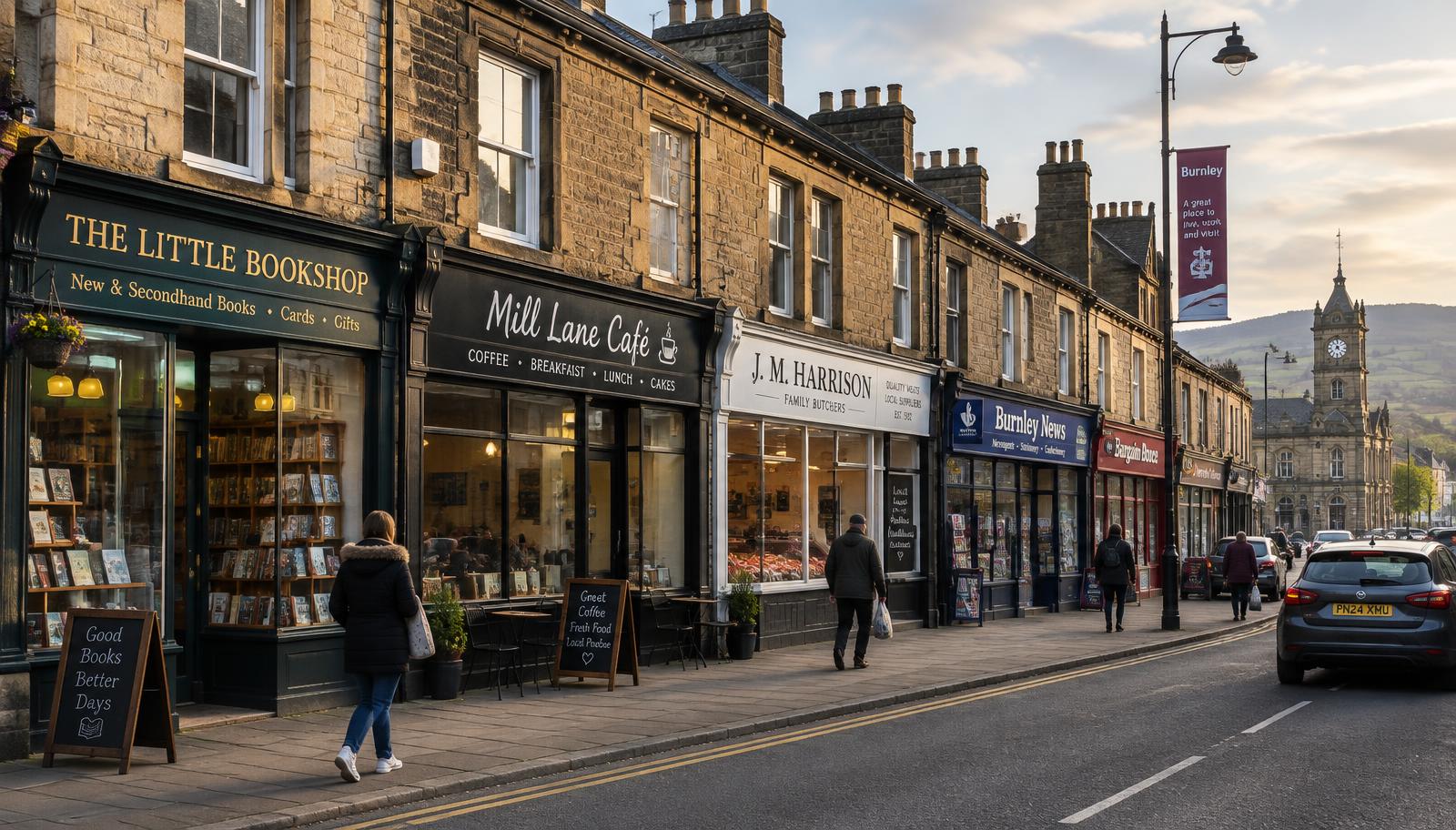
When I first started working with small businesses in Burnley, I noticed a pattern. Many owners had spent good money on a website that looked fine on a desktop but failed to bring in leads. The problem was never the design alone. It was a mismatch between what the business needed and what the site delivered. Over the years, I have helped dozens of Lancashire-based companies rebuild their online presence from the ground up, and the same lessons keep coming back. Small business websites Burnley owners invest in need to be more than a digital brochure. They need to work as a sales tool, a customer service channel, and a local trust signal all at once.
A common mistake is treating the website as a one-time project. You launch it, you forget about it, and you wonder why traffic drops after six months. A website is a living thing. It needs updates, fresh content, and technical maintenance. If you run a bakery in Burnley town centre, your customers want to see your opening hours, your menu, and maybe a photo of today's specials. If that information is stale, they move on to a competitor. That is the reality of local search behaviour today.
Why Local SEO Matters for Burnley Businesses
Local SEO is not just a buzzword. It is the difference between being found on the first page of Google or buried on page five. For a small business in Burnley, local SEO means optimising your Google My Business profile, getting listed in local directories, and making sure your site mentions your location and services in a natural way. Google wants to see consistency. If your address on Google My Business differs from the one on your site, you lose trust signals. That hurts your ranking.
I remember helping a furniture restorer in Burnley who had a beautiful site but zero traffic from local searches. We updated his Google My Business listing, added local keywords to his page titles, and created a couple of landing pages focused on the areas he served. Within two months, he was getting calls from customers in Burnley, Nelson, and Colne. That is the power of local SEO when done right. It does not require a huge budget. It requires attention to detail and a willingness to keep things current.
Choosing the Right Platform: WordPress, Shopify, or Something Else
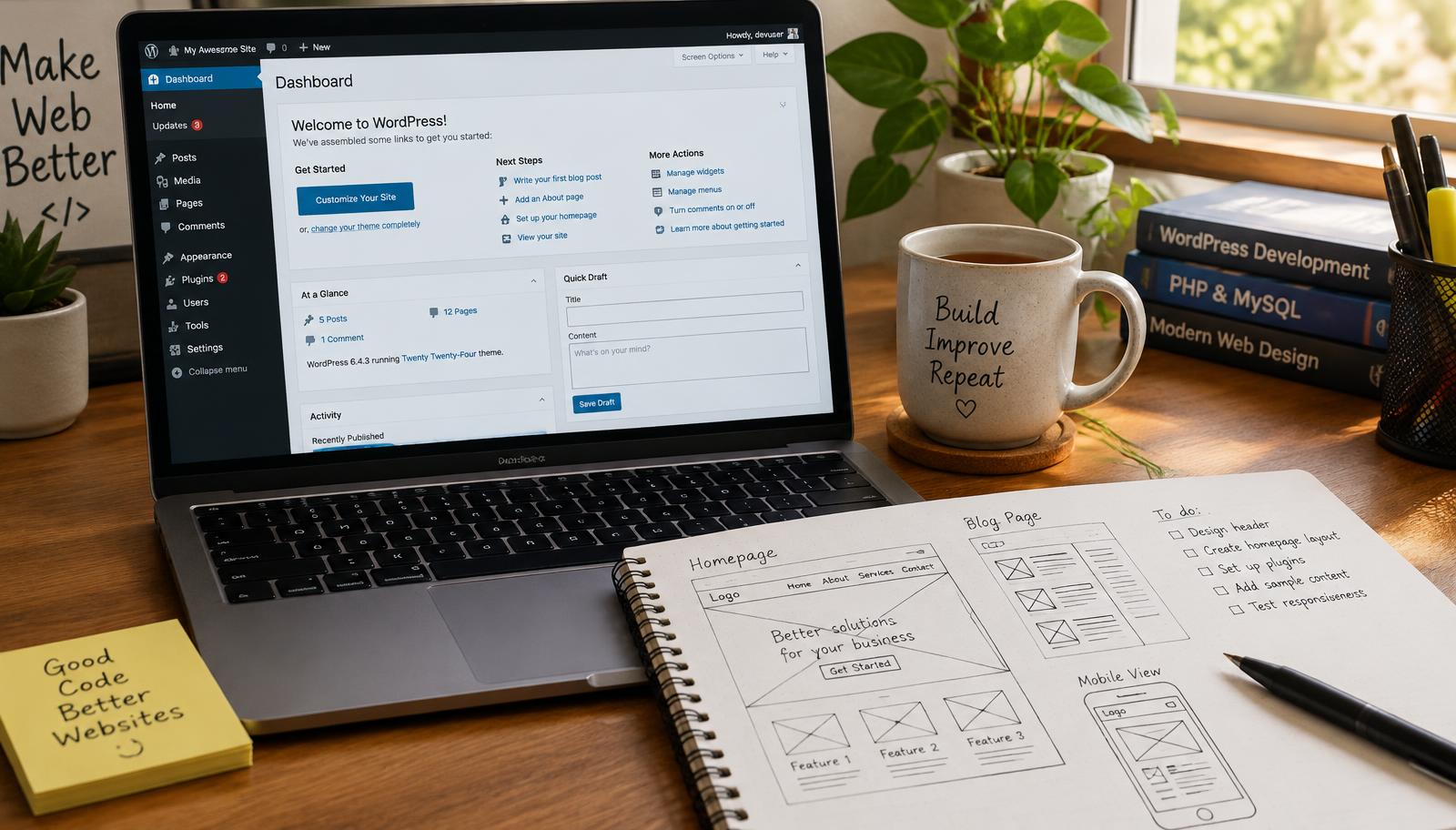
Every business has different needs, and the platform you choose should fit those needs. WordPress remains the most flexible option for small business websites Burnley owners who want control over their site's design, content, and future growth. With WordPress, you get a CMS that lets you update pages, add blog posts, and install plugins for everything from SEO to analytics. If you need an online store, WooCommerce integrates seamlessly and gives you full ownership of your product data and customer list.
Shopify is a strong alternative for businesses that want a simpler, all-in-one solution. It handles hosting, security, and payment processing out of the box. The trade-off is that you pay monthly fees and you have less control over the backend. For a Burnley shop selling handmade goods, Shopify might be the faster path to launching. For a service business that needs a custom booking system, WordPress with a tailored plugin is usually the better call.
I have worked on both platforms, and I have seen businesses succeed on each. The key is understanding your own requirements before you pick a tool. Do not let a developer or an agency choose for you without explaining why. You need to know what you are getting into.
Responsive Design and Mobile-First Thinking
More than half of local searches happen on a phone. If your site is not optimised for mobile, you are invisible to a huge chunk of your audience. Responsive design is not optional anymore. It is the baseline. A mobile-first approach means designing the mobile experience first and then scaling up to desktop, rather than the other way around. That shift changes how you think about navigation, content length, and call-to-action placement.
I have seen Burnley businesses lose customers because their contact form was impossible to fill out on a phone. The buttons were too small, the text field overlapped the edge of the screen, and the phone number was not clickable. Those are basic UX failures that cost real money. Testing your site on an actual phone, not just a browser resize, is the only way to catch these issues.
The Technical Side: PHP, HTML, CSS, and JavaScript
You do not need to be a developer to run a website, but understanding the basics of how your site is built helps you make better decisions. WordPress sites are powered by PHP, a server-side language that handles dynamic content like blog posts and user comments. The frontend relies on HTML for structure, CSS for styling, and JavaScript for interactivity. When a developer talks about customising your theme, they are usually editing these files.
For most small businesses, a well-chosen theme with minor customisations is enough. You do not need a bespoke design from scratch unless you have very specific functional requirements. The danger is over-customisation. Every extra plugin and every piece of custom code adds complexity and potential security risks. Keep it lean. Use only the features you actually need.
Security, Hosting, and SSL
Security is not something to ignore until something goes wrong. An SSL certificate is mandatory now. Google flags sites without HTTPS as not secure, and customers notice. Hosting quality matters too. Cheap shared hosting can slow your site down and make it vulnerable to attacks. For a Burnley business, a good mid-range host with fast support and daily backups is worth the extra few pounds a month.
I once worked with a local tradesman whose site had been hacked because his hosting provider used outdated software. He lost his data, his rankings dropped, and it took weeks to recover. A little investment in proper hosting and regular updates would have prevented the whole mess. Do not cut corners on the foundation.
Using Analytics and Social Media Marketing
Setting up analytics is the first step to understanding what your visitors actually do on your site. Free tools like Google Analytics show you which pages get the most traffic, where visitors come from, and how long they stay. That data tells you what is working and what needs improvement. If you see that your product pages have high exit rates, maybe the images are too small or the descriptions are confusing.
Social media marketing can drive traffic to your site, but it works best when you have a clear goal. Posting for the sake of posting does not help. Share useful content, answer questions, and link back to relevant pages on your site. For a Burnley business, local Facebook groups and Instagram can be powerful channels if you engage genuinely. Automation tools help, but nothing replaces real interaction.
Putting It All Together
There is no single formula that works for every business. The best approach combines a solid platform, clean design, strong local SEO, and ongoing maintenance. Small business websites Burnley owners create should reflect the character of their business while meeting modern technical standards. That balance is harder to achieve than it sounds, but it is absolutely achievable with the right plan and a bit of patience.
If you are running a business in Burnley or anywhere in Lancashire, take the time to audit your current site. Check your loading speed, test it on a phone, review your Google My Business listing, and ask a friend to try finding you through a search. The gaps you find are the opportunities to improve. A website that works for your customers works for you.